A building is only as strong as the foundation it stands on. Whether residential or commercial, every structure depends on a stable base to support its weight and withstand environmental pressures. Over time, however, foundations can develop problems due to shifting soil, moisture fluctuations, poor drainage, or natural settling. Cracks in walls, uneven floors, and doors that refuse to close properly are often early warning signs that something is wrong beneath the surface. When these issues arise, understanding different types of foundation repair methods becomes essential for protecting structural integrity and long-term property value.
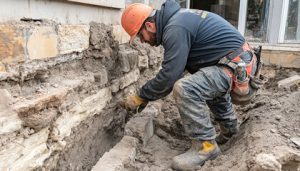
Foundation repair is not a one-size-fits-all solution. The appropriate method depends on the type of foundation, soil conditions, severity of damage, and underlying cause of movement. Modern Foundation Repair Nashville services combine engineering expertise with innovative materials to stabilize structures efficiently and safely. By exploring the most common repair techniques and how they work, property owners can make informed decisions that address the root cause of the problem rather than just masking visible symptoms.
Why Foundations Fail
Before examining specific foundation repair methods, it is important to understand why foundations fail in the first place. Soil plays a major role in structural stability. Expansive soils expand when wet and shrink when dry, causing movement beneath the structure. Poor drainage systems can also allow water to pool near the base of a building, weakening the soil and leading to settlement.
Common causes of foundation damage include:
- Soil erosion or washout.
- Excess moisture or poor drainage.
- Tree root intrusion.
- Inadequate initial construction.
- Natural settling over time.
Identifying the underlying cause is the first step in selecting the appropriate repair method. A thorough inspection ensures that repairs address both structural damage and environmental factors contributing to instability.
Piering Systems for Deep Structural Support
One of the most widely used foundation repair methods is piering. This technique involves installing steel or concrete piers beneath the foundation to transfer the building’s weight to deeper, more stable soil layers. Piering systems are particularly effective for structures experiencing significant settlement.
There are two primary types of pier systems:
- Push piers, which are hydraulically driven deep into the ground until they reach load-bearing soil.
- Helical piers, which are screwed into the ground using specialized equipment.
Both methods provide long-term stability by anchoring the structure to solid ground. Once installed, piers can sometimes lift the foundation back toward its original position. Piering is especially beneficial for homes or commercial buildings experiencing uneven settling or sinking in specific areas.
Slab Jacking and Mudjacking
For structures built on concrete slabs, slab jacking—also known as mudjacking—is a common repair method. This process involves drilling small holes into the slab and injecting a stabilizing mixture beneath it. The material fills voids in the soil and gently lifts the slab to restore proper alignment.
Slab jacking is often used to correct uneven floors, sunken patios, or driveway sections. It is a cost-effective alternative to full slab replacement and can be completed relatively quickly. Modern variations of this method use lightweight materials that reduce additional stress on the soil while providing durable support.
Key advantages of slab jacking include:
- Minimal disruption to surrounding areas.
- Faster completion compared to replacement.
- Lower overall cost.
- Immediate usability after curing.
This method works best when soil erosion or minor voids are the primary cause of settlement.
Polyurethane Foam Injection
An advanced alternative to traditional mudjacking is polyurethane foam injection. This innovative foundation repair method involves injecting expanding foam beneath the slab or foundation. As the foam expands, it fills gaps, stabilizes soil, and lifts the structure.
Polyurethane foam offers several benefits:
- Lightweight composition that reduces soil stress.
- Quick curing time, often allowing same-day use.
- Water-resistant properties that enhance durability.
- Precise control during lifting.
Because of its expanding properties, polyurethane foam can reach small voids that other materials might miss. This method is particularly effective for repairing uneven concrete surfaces and smaller foundation shifts.
Wall Anchors and Reinforcement Systems
When foundation walls begin to bow or crack due to soil pressure, reinforcement systems are often required. Wall anchors and carbon fiber reinforcement are two effective methods for stabilizing compromised walls.
Wall anchor systems involve installing steel rods that connect the interior foundation wall to stable soil outside the structure. These anchors counteract inward pressure and can gradually straighten bowing walls over time.
Carbon fiber reinforcement strips, on the other hand, are bonded directly to interior foundation walls using high-strength epoxy. These strips provide additional support and prevent further cracking without requiring extensive excavation.
Both solutions are minimally invasive and provide long-lasting structural reinforcement. They are ideal for addressing horizontal cracks and walls that show signs of inward movement.
Drainage Correction and Waterproofing
In many cases, foundation issues stem from excessive moisture rather than structural flaws. Addressing drainage problems is a critical component of comprehensive foundation repair. Without proper water management, even repaired foundations can experience recurring damage.
Common drainage and waterproofing solutions include:
- Installing exterior drainage systems to redirect water.
- Adding sump pumps to manage groundwater.
- Applying waterproof coatings to foundation walls.
- Improving grading to ensure water flows away from the structure.
By combining structural repairs with moisture control, property owners create a long-term defense against future foundation problems. Waterproofing not only protects the foundation but also prevents mold growth and interior damage.
Underpinning for Strengthening Existing Foundations
Underpinning is another foundation repair method used to strengthen and stabilize existing foundations. This technique involves extending the foundation depth or breadth to distribute weight more effectively. Underpinning may be necessary when original construction was insufficient to support the structure or when additional stories are added.
Underpinning can involve:
- Installing additional concrete footings.
- Extending foundation walls deeper into stable soil.
- Using micro-piles for enhanced load distribution.
This method is often chosen for major structural upgrades or severe settlement issues. While more complex than other repair options, underpinning provides substantial reinforcement for long-term stability.
Crack Injection for Minor Structural Damage
Not all foundation problems require extensive structural intervention. For minor cracks caused by shrinkage or slight settling, crack injection methods can provide effective repair. This technique involves injecting epoxy or polyurethane resin into cracks to seal and bond the concrete.
Crack injection serves two primary purposes:
- Restoring structural integrity by bonding cracked sections.
- Preventing water infiltration that could worsen damage.
Although crack injection does not address major settlement issues, it is a valuable solution for early-stage foundation damage. Prompt attention to small cracks can prevent them from expanding into more serious structural concerns.
Choosing the Right Foundation Repair Method
Selecting the appropriate foundation repair method depends on several factors, including the severity of damage, soil conditions, and foundation type. A professional inspection is essential for accurate diagnosis. Structural engineers or foundation repair specialists assess the extent of movement, identify root causes, and recommend tailored solutions.
Key considerations when evaluating repair options include:
- The long-term effectiveness of the method.
- Cost relative to the extent of damage.
- Level of disruption during installation.
- Warranty and durability of materials used.
Attempting temporary fixes without addressing underlying soil issues can lead to recurring problems. Investing in the correct repair method ensures safety and preserves property value.
The Long-Term Benefits of Foundation Repair
Understanding different types of foundation repair methods empowers property owners to act confidently when problems arise. Addressing foundation damage promptly provides numerous long-term benefits, including improved structural safety, increased property value, and reduced risk of interior damage.
Stable foundations contribute to energy efficiency by preventing gaps that allow air infiltration. They also ensure that doors, windows, and flooring function properly. Most importantly, timely repairs protect occupants from potential hazards associated with structural instability.
Foundation issues can feel overwhelming, but modern repair methods offer reliable and efficient solutions. From piering systems and slab jacking to wall anchors and waterproofing, each method serves a specific purpose in restoring structural integrity. The key to successful foundation repair lies in understanding the cause of damage and selecting a solution that addresses it directly.
By learning about different types of foundation repair methods, property owners can approach structural challenges with clarity and confidence. Early intervention, professional assessment, and the right repair strategy ensure that foundations remain strong and secure for years to come. A stable foundation is not just about preserving a building—it is about protecting the safety, functionality, and long-term investment of the entire structure.